When the heat kicks in, air conditioning keeps homes and businesses comfortable. But have you ever wondered how air conditioning works? Behind the cool breeze is a clever system of coils, compressors, and refrigerants, all working together to remove heat and control humidity. In this guide, we’ll break down the process, explain the key components, and highlight the benefits of a well-maintained AC system.
How Does an Air Conditioner Work in Simple Terms
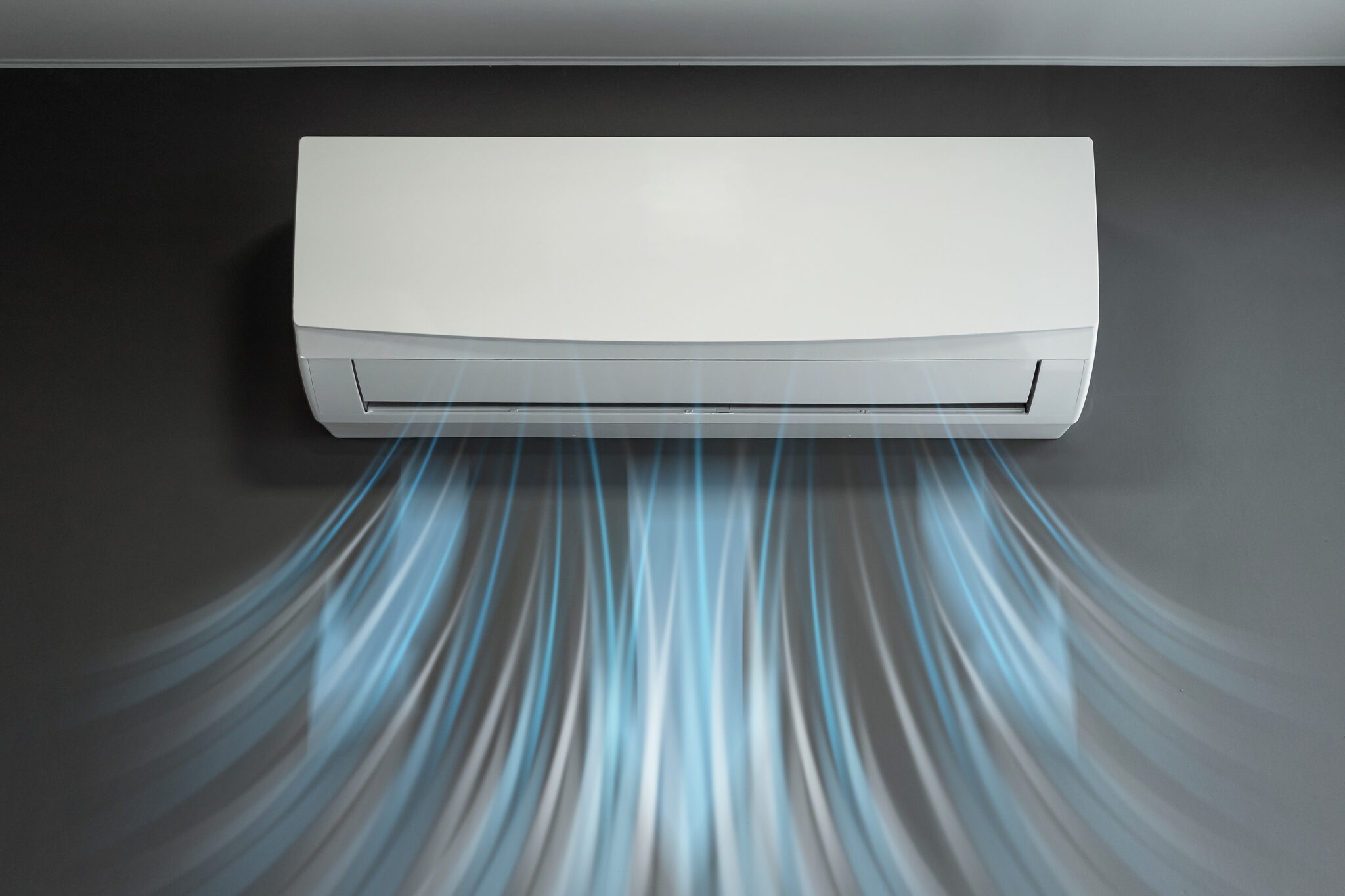
An air conditioner works by removing heat from inside your space and releasing it outside. It starts by drawing warm air into the unit, where it passes over cold evaporator coils filled with refrigerant. The refrigerant absorbs the heat from the air, cooling it down. This cool air is then blown back into the room. Meanwhile, the heated refrigerant moves to the outdoor unit, where the condenser coil releases the absorbed heat. The refrigerant cools down and returns to the indoor unit to repeat the process, keeping your space comfortable by constantly moving heat outside.
A Detailed Air Conditioning Breakdown
To truly understand how air conditioning works, it’s essential to dive into the key components and the complex process that makes it all happen. Here’s a detailed explanation of how an air conditioner cools your space:
1. The Refrigerant
The refrigerant is a crucial element in the cooling process. It’s a special fluid that cycles through the air conditioning system, absorbing and releasing heat as it changes between liquid and gaseous states. When the refrigerant is in its liquid form, it has the ability to absorb heat as it evaporates into gas. As a gas, it can release this heat when it condenses back into liquid.
2. The Evaporator Coil
The evaporator coil is located inside the indoor unit of the air conditioner. This coil’s main job is to absorb heat from the air inside your home. The refrigerant, which has turned into a low-pressure gas, flows through the evaporator coil. As air from the room passes over the evaporator coil, the refrigerant absorbs the heat from the air, cooling it down. At this point, the refrigerant evaporates (turning from liquid into gas) and pulls heat away from the air. This process is why the air coming out of your AC vents feels cool.
3. The Compressor
The compressor is often considered the “heart” of the air conditioning system. Located in the outdoor unit, the compressor’s main function is to take the refrigerant gas, now carrying heat from the inside, and compress it to a high pressure. By compressing the refrigerant, the temperature of the gas rises significantly. This high-pressure, hot refrigerant gas is then pushed through the system and sent to the condenser coil. The compressor essentially prepares the refrigerant to release the heat it absorbed from inside your home.
4. The Condenser Coil
The condenser coil, found in the outdoor unit, is where the refrigerant releases the heat it collects from the indoor air. As the high-pressure refrigerant gas flows through the condenser coil, it is cooled by the outdoor air, either through the use of a fan or natural airflow. This cooling process causes the refrigerant gas to condense and return to its liquid form, expelling the heat outside. Once the refrigerant has cooled down and turned into a high-pressure liquid, it is ready to return to the indoor unit to begin the cycle again.
5. The Expansion Valve
The expansion valve is a small but critical component in the air conditioning system. Its role is to regulate the flow of refrigerant into the evaporator coil. As the liquid refrigerant passes through the expansion valve, it experiences a sudden drop in pressure. This drop causes the refrigerant to expand and cool down significantly, making it ready to absorb heat once again in the evaporator coil. Without the expansion valve, the refrigerant would not be able to perform its job of heat absorption effectively.
6. The Blower Fan
Once the air has been cooled by the evaporator coil, the blower fan moves it throughout the space. This fan circulates the cooled air into your home or office, ensuring that the temperature stays consistent and comfortable. The fan helps distribute the cool air evenly, preventing any cold spots and making sure the room is evenly cooled. The speed and power of the blower fan can also impact how quickly the room reaches the desired temperature.
 5 Benefits of Air Conditioning
 5 Benefits of Air Conditioning
 While air conditioners are primarily known for keeping spaces cool, they offer a wide range of additional benefits that go far beyond just comfort. From improving air quality to protecting sensitive equipment, modern air conditioning systems are indispensable in both residential and commercial settings.
1. Temperature Control and Comfort
Air conditioning provides precise temperature control, allowing you to maintain a consistent indoor environment regardless of what’s happening outside. This is especially valuable during extreme weather conditions, whether it’s the sweltering heat of summer or the occasional heat wave.
In residential settings, AC systems make your home a more pleasant place to live, enhancing the overall comfort of your family. In commercial spaces, maintaining a comfortable temperature boosts employee productivity and satisfaction. By maintaining a consistent and comfortable temperature, air conditioning helps reduce heat-related fatigue, discomfort, and stress, contributing to a more enjoyable and productive atmosphere.
2. Improved Air Quality
One of the lesser-known benefits of air conditioning is its ability to filter and purify the air. Modern AC units come equipped with advanced filters that trap dust, dirt, pet dander, and other airborne pollutants, significantly improving indoor air quality.
For individuals suffering from allergies, asthma, or other respiratory issues, clean air is crucial. By removing allergens and harmful particles, air conditioners can help reduce symptoms and promote better overall health.
3. Humidity Regulation
Excess moisture in the air, especially during humid months, can lead to mould growth, wood damage, musty odours, and even paint peeling off walls. Air conditioners not only cool the air but also help to regulate humidity levels by removing moisture.
By maintaining balanced humidity levels, air conditioners protect your home and possessions from the negative effects of excessive moisture. This is particularly important in areas with high humidity, as it can prevent structural damage, safeguard your furniture and electronics, and preserve the integrity of your home.
4. Energy Efficiency with Modern Systems
Modern air conditioning systems are built with energy efficiency in mind. Innovations in inverter technology and smart controls allow today’s AC systems to operate more efficiently, using less energy while still maintaining optimal cooling performance.
Energy-efficient units consume less electricity, which not only saves you money on energy bills but also reduces your carbon footprint. As sustainability becomes an increasingly important factor, choosing an energy-efficient air conditioning system is an effective way to reduce environmental impact. Regular maintenance—such as cleaning the filters, checking refrigerant levels, and ensuring the system is operating smoothly—ensures your air conditioner is running at peak performance and maintains its energy-efficient capabilities for years to come.
5. Equipment Protection in Commercial Spaces
In commercial and industrial environments, air conditioning does more than just provide comfort, it’s also essential for protecting sensitive equipment. Many businesses rely on machines, computers, servers, and electronic equipment that generate heat. If the temperature gets too high, this equipment can overheat, malfunction, or even suffer permanent damage. Air conditioners maintain an optimal temperature for machinery and electronic systems, ensuring they operate within safe limits and preventing costly downtime or repairs.
 Keep Your Space Cool and Comfortable with Expert Air Conditioning Services
 Keep Your Space Cool and Comfortable with Expert Air Conditioning Services
Understanding how air conditioning works and the many benefits it offers is essential for making the most of your AC system. From improving air quality to regulating humidity and enhancing comfort, air conditioners play a crucial role in maintaining a pleasant living or working environment.
Whether you’re installing a new system, in need of a repair, or just looking for regular maintenance, keeping your air conditioning system in top shape is essential for optimal performance. At Mechanical Control, we offer comprehensive air conditioning services, including installation, repair, and routine maintenance, ensuring your system runs smoothly year-round. For more information on how we can help with your air conditioning system and commercial heating services, don’t hesitate to contact us today.