Energy efficiency has become a key priority for businesses across the globe. As the costs of energy continue to rise, companies are looking for ways to reduce operational expenses and minimise their environmental impact. One of the most significant opportunities to achieve these goals lies in the heating systems of commercial buildings. By investing in energy-efficient heating solutions, businesses can not only cut down on utility bills but also improve comfort levels for occupants and contribute to sustainability initiatives.
In this article, we will explore the importance of energy efficiency in commercial heating and take a look at some of the most effective energy-efficient heating systems available today.
The Importance of Energy Efficiency in Commercial Heating
Heating represents a large portion of energy consumption in commercial buildings, especially in regions with cold winters. In older buildings with outdated heating systems, a significant amount of this energy can be wasted. Inefficient systems lead to heat loss, overuse of fuel, and high energy bills. By upgrading to energy-efficient heating systems, businesses can save money, reduce carbon emissions, and create a more comfortable environment for employees and tenants.
In addition to financial savings, energy efficiency is becoming increasingly important as governments introduce stricter environmental regulations. Many countries and regions now offer incentives and rebates to encourage the adoption of greener, more efficient heating solutions, making the switch even more attractive to business owners.


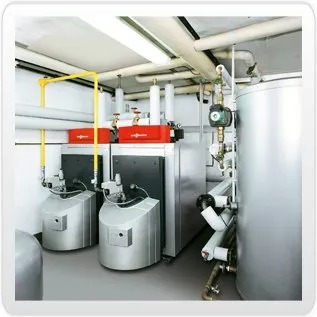

Types of Energy-Efficient Heating Systems for Commercial Buildings
There are several types of heating systems that offer high energy efficiency for commercial buildings. These systems not only reduce energy consumption but also provide better control over heating and help to create a more comfortable and consistent indoor environment.
- Condensing Boilers
- Condensing boilers are one of the most energy-efficient solutions for commercial heating. These boilers capture and recycle heat that would normally be lost through exhaust gases. This process allows the boiler to achieve efficiency levels of up to 90%, significantly reducing fuel consumption and energy costs.
- They are especially suitable for larger commercial spaces and can be paired with programmable thermostats and zoning systems for even more efficient heat distribution.
- Heat Pumps
- Heat pumps are becoming increasingly popular in commercial buildings due to their ability to move heat rather than generate it. By transferring heat from the outside air or ground into the building, heat pumps can provide heating at a fraction of the energy cost of traditional systems.
- Air-source heat pumps and ground-source (geothermal) heat pumps are two common types. While geothermal heat pumps have a higher initial cost, they offer substantial long-term savings and are highly energy-efficient, especially in climates with moderate temperatures.
- Radiant Heating Systems
- Radiant heating systems use infrared radiation to heat floors, walls, or ceilings, delivering heat directly to the people and objects in the room. This system is highly efficient because it doesn’t rely on heating the air itself, which can be lost through ventilation or drafts.
- Radiant floor heating, in particular, is popular in commercial settings because it provides even, consistent heat without the need for large heating units or ductwork.
- Variable Refrigerant Flow (VRF) Systems
- VRF systems are advanced heating and cooling systems that allow for precise temperature control across different zones of a building. These systems use refrigerant to transfer heat and are highly efficient because they can adjust the amount of heating or cooling based on the specific needs of each zone.
- VRF systems also have heat recovery capabilities, which means they can simultaneously provide heating in one area and cooling in another, further reducing energy use.
- Combined Heat and Power (CHP) Systems
- CHP systems, also known as cogeneration, simultaneously generate electricity and heat from a single fuel source. These systems are highly efficient because they use the waste heat produced during electricity generation to heat the building. By utilising this waste heat, CHP systems can achieve efficiencies of 80% or higher, making them a great choice for large commercial facilities with consistent energy needs.
- CHP is particularly beneficial in industrial settings or large campuses where both electricity and heating are in constant demand.

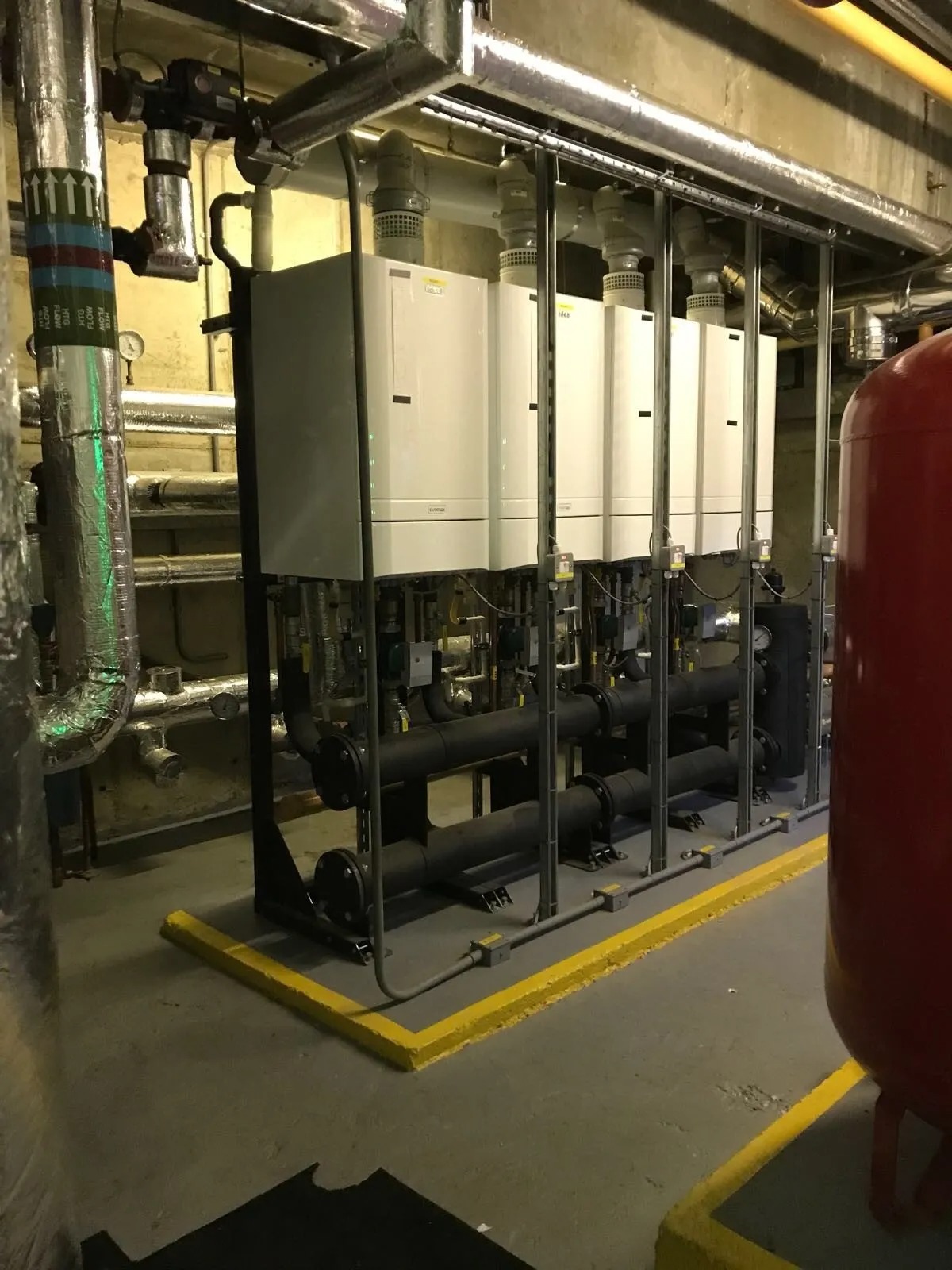
How Energy-Efficient Heating Systems Lower Operational Costs
Investing in an energy-efficient heating system is not only good for the environment, but it also has a direct impact on a company’s bottom line. Here are a few ways that energy-efficient heating systems help reduce operational costs:
- Lower Energy Bills:
- Energy-efficient systems consume less fuel or electricity to produce the same amount of heat, leading to significant reductions in utility bills. Over time, the savings can easily offset the initial investment in a new heating system.
- Reduced Maintenance Costs:
- Newer, more efficient systems often require less maintenance than older systems. With advanced technologies and fewer moving parts, these systems are less prone to breakdowns, which means lower repair costs and less downtime.
- Longer Lifespan:
- Energy-efficient systems are built with longevity in mind, often outlasting traditional systems. This means fewer replacements and less capital expenditure over the life of the system.
- Increased Property Value:
- Energy-efficient systems can increase the value of commercial properties by making them more attractive to tenants and buyers who are looking for lower operating costs and sustainable building features.
- Incentives and Rebates:
- Many regions offer financial incentives for businesses that adopt energy-efficient heating solutions. These incentives can help offset the cost of purchasing and installing new systems, making the upgrade more affordable.
FAQs About Energy-Efficient Heating Solutions for Commercial Buildings:
1. What is the most energy-efficient heating system for commercial buildings?
Heat pumps, especially ground-source (geothermal) heat pumps, are considered one of the most energy-efficient options. Condensing boilers and radiant heating systems also offer high efficiency depending on the building’s specific needs.
2. How much can businesses save by switching to an energy-efficient heating system?
Savings vary based on the current system and the efficiency of the new system. However, businesses can typically expect to save between 20% and 50% on heating bills, with even greater savings over the long term through reduced maintenance and repairs.
3. What is the payback period for investing in an energy-efficient heating system?
The payback period depends on factors such as the type of system, installation costs, and local energy prices. On average, businesses can recoup their investment in 5 to 10 years through energy savings and lower operational costs.
4. Can energy-efficient heating systems be used in older commercial buildings?
Yes, energy-efficient systems can be retrofitted into older buildings. Condensing boilers, VRF systems, and heat pumps are all good options for improving heating efficiency in older properties.
5. Are there government incentives for installing energy-efficient heating systems?
Many governments offer incentives, rebates, and tax credits for businesses that upgrade to energy-efficient heating systems. These programs vary by location, so it’s important to check local regulations and programs available in your area.