Choosing the right air conditioning system depends on the size of your property, how many rooms need temperature control, how the space is used, and whether the system is being installed in a home, office, retail unit or commercial building.
A small bedroom or home office may only need a wall-mounted split system, but a larger home, office or business premises may need a multi-split system or a commercial air conditioning system designed around airflow and usage patterns
The right choice matters because a well-specified system will cool the space more effectively, avoid unnecessary strain on the equipment and reduce the risk of poor airflow.
Which AC System is Best for You?
This is a starting point. You should always check properly which is best for you through a proper site assessment, as room size, layout, heat gain, pipe routes and outdoor unit positioning can all affect system performance.
| Property Need | Likely System Type | Why It Fits |
| One bedroom, home office or small room | Wall-mounted split system | Gives targeted comfort for one specific space |
| Several rooms in a home | Multi-split system | Allows multiple indoor units to serve different rooms |
| Office or retail space | Commercial air conditioning system | Designed around regular business use and occupancy |
| Server room or equipment area | Specialist commercial system | Helps control heat produced by equipment |
| Whole-property comfort | Multi-split or larger designed system | Gives better coverage across multiple areas |
Single-Room Air Conditioning: Best for Bedrooms, Offices and Smaller Spaces
Single-room air conditioning is usually the right choice when one specific area regularly becomes too warm, uncomfortable or difficult to ventilate. This could be a bedroom that overheats during summer, a home office used throughout the working day, a garden room, a reception area or a small treatment room.
Best suited for:
- Bedrooms
- Home offices
- Garden rooms
- Small shops
- Treatment rooms
The main benefit is targeted comfort. Instead of cooling areas that do not need it, a single split system focuses on the room where temperature control will make the biggest difference.
For a bedroom, that can mean a more comfortable sleeping environment during warmer nights. For a home office, it can help keep the room usable during the working day, especially if the space has large windows, poor ventilation or equipment producing heat.
A single-room system can also be a better long-term option than relying on portable cooling units. It is fixed in place, quieter in day-to-day use, and designed to manage the room more consistently.
Mechanical Control would still assess the room size, wall position, pipe route, outdoor unit location and future servicing access before recommending this option. That helps prevent common issues such as poor airflow, awkward pipework or an outdoor unit being placed somewhere difficult to maintain.
Multi-Split Air Conditioning: Best for Several Rooms
A multi-split system connects several indoor units to one outdoor unit. This can work well for larger homes, properties with several bedrooms, small offices, clinics, salons or buildings where different rooms need separate temperature control.
The main benefit is flexibility. Different rooms can be controlled independently, so you are not cooling areas that are not being used. For example, a homeowner may want cooling in bedrooms at night and a home office during the day. A small business may need different temperatures in a reception area, treatment room and staff office.
A multi-split system can also reduce the number of outdoor units needed. That can be useful where external space is limited, where appearance matters, or where several separate outdoor units would make the installation more complicated.
It is not automatically the best choice just because more than one room needs cooling. Pipe routes, room distances, outdoor unit position and total cooling demand all need to be assessed before the system is specified. If the rooms are too far apart, or if the building has more complex usage requirements, a different system design may be more suitable.
Commercial Air Conditioning: Best for Offices, Retail Spaces and Business Premises
Commercial air conditioning is not just about keeping a room cool. It helps maintain comfortable working conditions, supports customer experience, protects heat-sensitive equipment and reduces disruption during warmer periods.
In an office, poor temperature control can make the working day harder for staff, especially in rooms with several people, computers and limited ventilation. In a retail space, uncomfortable conditions can affect how long customers stay in the shop. In a clinic or treatment room, stable comfort can make the space feel more professional for both staff and visitors.
Server rooms and equipment areas need particular care. Heat from IT equipment can build quickly, and a standard comfort-cooling approach may not be enough. These spaces need a system chosen around equipment load, reliability, airflow and access for future servicing.
Commercial properties often run systems for longer periods than homes. They may also have higher occupancy, more lighting, more electrical equipment and different comfort expectations across different areas of the building. That is why commercial air conditioning should be designed around how the business operates, not just the size of the room.
For business premises, we provide commercial air conditioning in Hertfordshire, including installation, servicing, maintenance and repairs for offices, retail spaces and specialist environments such as server rooms.
Why Does Choosing the Right Air Conditioning System Matter?
A system that is too small may struggle to cool the space properly during warmer weather. A system that is too large, poorly positioned or badly specified may run inefficiently, create draughts or leave parts of the room uncomfortable.
That is why system choice should start with the building, not the product. Room size, ceiling height, sunlight, window position, equipment heat and how often the room is used all affect what will work best.
For commercial spaces, the decision becomes even more important. Offices, shops, clinics, treatment rooms and server rooms often have more people, longer operating hours, computers, lighting and equipment producing heat throughout the day. In those settings, poor system choice can lead to uncomfortable working conditions, staff complaints, customer discomfort and pressure on the equipment.
A correctly specified system gives better temperature control, more balanced airflow, improved efficiency and fewer avoidable performance issues after installation.
Domestic vs Commercial Air Conditioning: What Is the Difference?
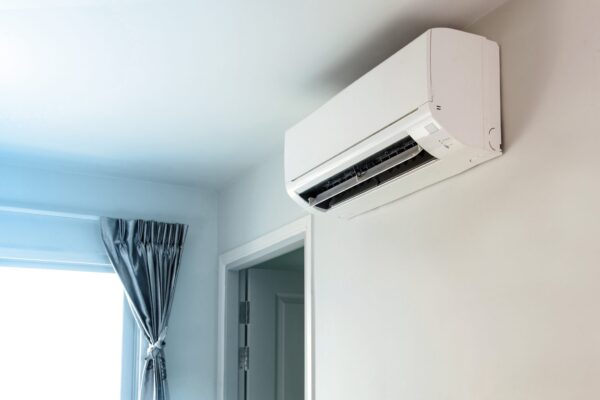
Domestic and commercial systems can sometimes look similar from the outside, but the way they are specified is different. Domestic air conditioning is usually focused on comfort, quiet operation and room-by-room control. Commercial air conditioning often needs to account for larger areas, longer running hours, more people and equipment heat.
| Factor | Domestic Air Conditioning | Commercial Air Conditioning |
| Main priority | Home comfort | Staff, customer and operational comfort |
| Typical spaces | Bedrooms, lounges, home offices | Offices, shops, server rooms, commercial units |
| Usage pattern | Seasonal or room-based | Often longer daily use |
| Design needs | Comfort, quiet operation and layout | Capacity, zoning, reliability and access |
| Support needed | Installation and servicing | Installation, servicing, maintenance and repairs |
The right choice depends on how the building is used. A home office in a converted room may need a different approach from a bedroom, even if the rooms are a similar size. A small shop may need a different system from a private home because doors open more often, customers move through the building, and lighting or equipment may add extra heat.
For commercial sites, future servicing access also matters. If the system is difficult to reach, routine maintenance can become more disruptive than it needs to be. A better installation plan can make the system easier to inspect, clean and maintain later.
What Factors Decide the Right Air Conditioning System?
The right system is decided by the property. Room size is important, but it is only one part of the decision. Layout, ceiling height, sunlight, window position, insulation, occupancy and heat from equipment all influence how much cooling the space needs.
A bright room with large windows may need a different specification from a shaded room of the same size. A small office with several computers may hold more heat than a larger room used only occasionally. A server room or equipment area may need more consistent cooling because the heat source is active for long periods.
Unit position also affects the result. If the indoor unit is placed badly, the room may feel draughty in one area and warm in another. If the outdoor unit is poorly located, it may be harder to ventilate properly or harder to access for maintenance.
Two properties can look similar from the outside but need different air conditioning solutions once layout, heat gain, usage and installation access are properly assessed.
Why a Site Survey Is Better Than Guessing
A site survey helps confirm the correct system type, unit size, pipe route, indoor unit position, outdoor unit location and access requirements before installation begins.
A proper survey reduces the risk of over-specifying or under-specifying the system. It also helps avoid installation surprises, improves the final finish and gives you a clearer recommendation based on how the property is actually used.
For homeowners, this can mean choosing a system that cools the right rooms without unnecessary equipment. For businesses, it can mean choosing a system that supports staff, customers and equipment without creating avoidable disruption during installation or maintenance.
The safest way to choose an air conditioning system is to have your property assessed by a qualified engineer. We can inspect the building and recommend a system suited to your home, office or commercial property.
Why Use F-Gas-Certified Air Conditioning Engineers?
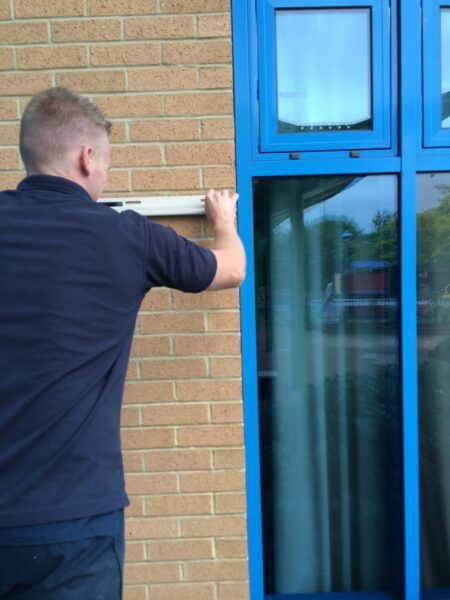
Air conditioning systems need to be installed and handled correctly, especially where refrigerant is involved. Using qualified engineers helps protect system performance, safe installation and long-term reliability.
This matters because the quality of the installation affects how the system performs after the engineer leaves. Correct positioning, pipework, refrigerant handling, commissioning and access for future servicing all influence how reliable and efficient the system is likely to be.
A qualified engineer can also explain whether a system is genuinely suitable for the property, rather than simply fitting the most obvious unit.
Speak to Mechanical Control About Air Conditioning
Mechanical Control provides air conditioning installation, servicing, maintenance and repairs for homes and businesses across Hertfordshire and Chelmsford. Our team works with domestic customers and Hertfordshire businesses, installing systems including wall-mounted split systems, multi-split systems and larger air conditioning systems for commercial environments.
Whether you need cooling for one room, several rooms or a commercial space, we can assess your property and recommend a system that fits how the building is used.
Contact us to arrange a site assessment or request a free quote for air conditioning in Hertfordshire and Chelmsford.