A gas detection system is a safety system designed to detect gases in the air and alert people when gas levels reach dangerous concentrations. These systems play a vital role in ensuring safety across various industries, helping to prevent accidents, reduce gas exposure, and protect lives.
Gas detection is essential wherever gases may be present as part of daily operations or where gas leaks could occur unexpectedly. Without reliable detection systems, harmful gases can build up unnoticed, leading to serious health risks, fires, or explosions.
What Is a Gas Detection System Used For?
Gas detection systems monitor air continuously to identify hazardous gases before they reach dangerous levels. They measure gas concentration and provide early warnings when the gas present exceeds safe thresholds.
These systems detect toxic gases, flammable gases, and gases that displace oxygen. In confined spaces or enclosed environments, even small gas leaks can quickly lead to dangerous concentrations. Early detection allows corrective action before harm occurs.
Gas detection solutions are widely used in chemical plants, oil rigs, production processes, cryogenic suppliers, and other facilities where gas vapours, gas pressure, or volatile organic compounds are part of operations.
What Types of Gases Do Gas Detection Systems Detect?
Gas detection systems detect many different gases, depending on the risks involved. Some gases are immediately toxic, while others become dangerous when they reach the lower explosive limit or reduce oxygen levels in the air.
Common gases detected include carbon monoxide, carbon dioxide, methane, hydrogen, hydrogen sulphide, and other harmful gases used or produced in industrial environments. Some systems are designed to detect hydrogen specifically, while others monitor multiple gas types at once.
The most common gases detected by gas detectors fall into three categories:
- Toxic gases that cause gas exposure and health risks
- Flammable gases that can ignite at dangerous concentrations
- Gases that displace oxygen and reduce available fresh air
Each gas behaves differently, which is why detection systems must be matched to the specific gas present.
How Does Gas Detection Technology Work?
Gas detection technology relies on gas sensors that identify and measure gas concentration in the air. These sensors detect gases in real time and send signals to the detection system when gas levels rise above safe limits.
Electrochemical sensors are commonly used to detect toxic gases such as carbon monoxide and hydrogen sulphide. Other sensor types measure combustible gases, oxygen levels, or volatile organic compounds. An oxygen gas monitor is used where gases may displace oxygen and create an immediate risk to life.
When gas is detected, the system triggers alarms using audible and visible signals. These include alarms, flashing lights, and visible signals within the area or in a central control room. This ensures people are alerted quickly and can respond safely.
Fixed Gas Detectors and Portable Detectors
Gas detectors are available as fixed systems or portable devices, depending on how and where gas detection is required.
Fixed gas detectors are permanently installed and provide continuous monitoring. These detectors are commonly used in plant rooms, chemical plants, oil rigs, and other facilities where gas leaks could occur at any time. They monitor gas levels across multiple locations and feed data back to a control room for real-time monitoring.
Portable detectors are battery-operated and worn or carried by individuals. These portable devices are used for temporary work, confined spaces, or tasks where gas exposure risks change frequently. Portable detectors provide personal protection and early warnings when gas levels rise.
Many sites use both fixed gas detectors and portable detectors as part of a complete detection system.
Why Gas Detection Systems Are Critical for Safety
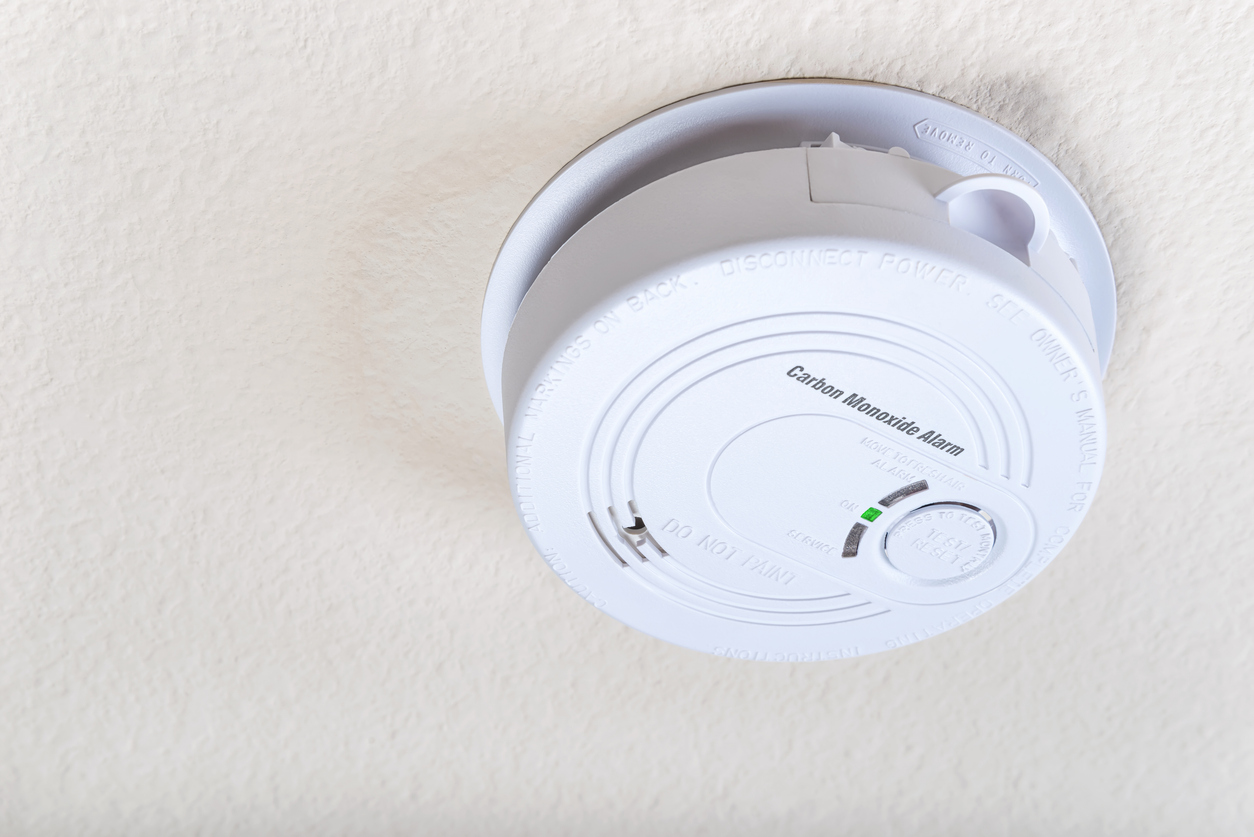 Gas detection systems are designed to protect people from dangerous levels of gas that may not be visible or detectable by smell. Harmful gases can build up silently, making early detection essential.
Gas detection systems help prevent accidents by identifying gas leaks before they escalate. They alert people quickly, allowing evacuation, ventilation, or shutdown of equipment. This rapid response reduces the risk of injury, fire, or explosion.
In confined spaces, where gases can accumulate rapidly, continuous monitoring is critical. Gas detection systems provide early warnings that allow safe entry, ongoing monitoring, and safe exit.
How Gas Detection Systems Measure Gas Levels
Gas detection systems measure gas concentration using sensors that sample the surrounding air. These sensors identify when gas levels move from safe to dangerous concentrations.
Advanced systems provide real-time monitoring and trend analysis, allowing operators to track gas levels over time. Regular servicing and calibration, often biannually, ensure detectors remain accurate and reliable.
By measuring gas concentration continuously, detection systems provide early detection and help maintain safe working conditions.
Where Are Gas Detection Systems Used?
Gas detection systems are used across various industries and environments where gases pose a risk. These include production processes, chemical plants, oil rigs, cryogenic suppliers, laboratories, and commercial facilities with gas-powered systems.
Other facilities, such as boiler rooms, plant rooms, and enclosed storage areas, also rely on gas detection systems to detect gases and alert people before dangerous levels are reached.
Each environment requires a detection system designed around the specific gas, gas pressure, and risk profile.
What Happens When Gas Is Detected?
When gas is detected, the system activates alarms and visible signals to alert people immediately. Audible and visible signals ensure the warning is clear, even in noisy or low-visibility environments.
Alerts may trigger actions such as increasing ventilation, restoring fresh air, shutting down equipment, or evacuating the area. Control room alerts allow trained staff to coordinate a safe response and prevent accidents.
Why Gas Detection Systems Save Lives
Gas detection systems play a vital role in modern safety management. By detecting gas present early, measuring gas concentration accurately, and providing early warnings, these systems help reduce gas exposure and prevent accidents.
From detecting methane and hydrogen to monitoring oxygen levels and toxic gases, gas detection systems protect people, property, and operations. Their ability to detect gases in real time, alert people quickly, and support safe decision-making makes them essential in environments where gases are present.
Gas detection systems are not just technology. They are a critical safety measure designed to save lives and ensure safety across industries. Contact our team at Mechanical Control today for more information about gas detection systems.